
Table of Contents
Garment product photography means shooting clothing so shoppers can see the true fabric, fit, and color before they buy. It is not a nice extra for sellers on Seller Costumepeti. It is the one factor that decides whether a listing gets tapped or scrolled past.
Why Photography Quality Decides Your Rental Bookings
Think about the last time you rented an outfit online. You likely zoomed into the photos first. You judged the garment before reading a single word. Shoppers form that judgment in two or three seconds, and it sticks even after they read the fabric details below. When it comes to buying clothes online, visuals matter: a 2023 survey found that over half of all shoppers look directly to the brand’s product imagery before deciding to check out.
Nikita Verma leads seller and curatorial content at Costumepeti. She puts it simply. “Sellers who switch from a dim hallway snapshot to a properly lit, styled photo see their listing views climb within the first week. The camera has not changed. The light and the intention behind the shot have.”
That single line captures the real cost of weak photography. It is not just about looking nice. It is about trust, conversion, and whether your saree or lehenga gets picked over a near-identical one three rows down.
Demand for product photography in Mumbai has grown alongside the city’s rental and resale fashion scene. Sellers who build a repeatable shoot process early tend to grow a stronger catalog faster than those who treat each shoot as a one-off task.
What Is Product Photography and Why Garments Are Harder

What is product photography, at its core? It is the careful use of light, background, and angle to show a product honestly. A mug or a phone case often needs just one clean shot. Garments behave differently. Fabric drapes, stretches, and catches light in ways that shift with the source. That is why garment product photography needs more thought than most other product categories.
A saree shot under yellow tube light looks mustard-toned in the thumbnail. It disappoints once a renter opens the parcel. That color mismatch drives most return requests and complaint messages for clothing rental sellers. It is also easy to prevent with the right setup.
Building a Photo Studio for Product Photography Without a Big Budget
You do not need a dedicated photo studio for product photography to look professional. A spare room with a north-facing window gives soft, even daylight for most of the day. That light can beat many small paid studios. Sellers in Bandra and Andheri have told our team that a cleared corner near a large window was enough to shoot a full week of listings.
If daylight is not reliable where you live, a basic two-light softbox kit is worth the cost. It pays for itself within the first month of steady use. Add a plain white or pastel backdrop, and you have covered the basics of creative product photography for garments.
Some sellers prefer to rent equipment instead of buying it. Photo studio for product photography spaces near Lower Parel now offer hourly slots built for small clothing sellers. A full studio investment is optional, not required. According to Meher Chandok, sellers who moved from ad hoc phone shots to a fixed weekly slot at a shared product photography studio reported far fewer reshoot requests from the curation team within the first month.
Camera for Product Photography: What You Actually Need
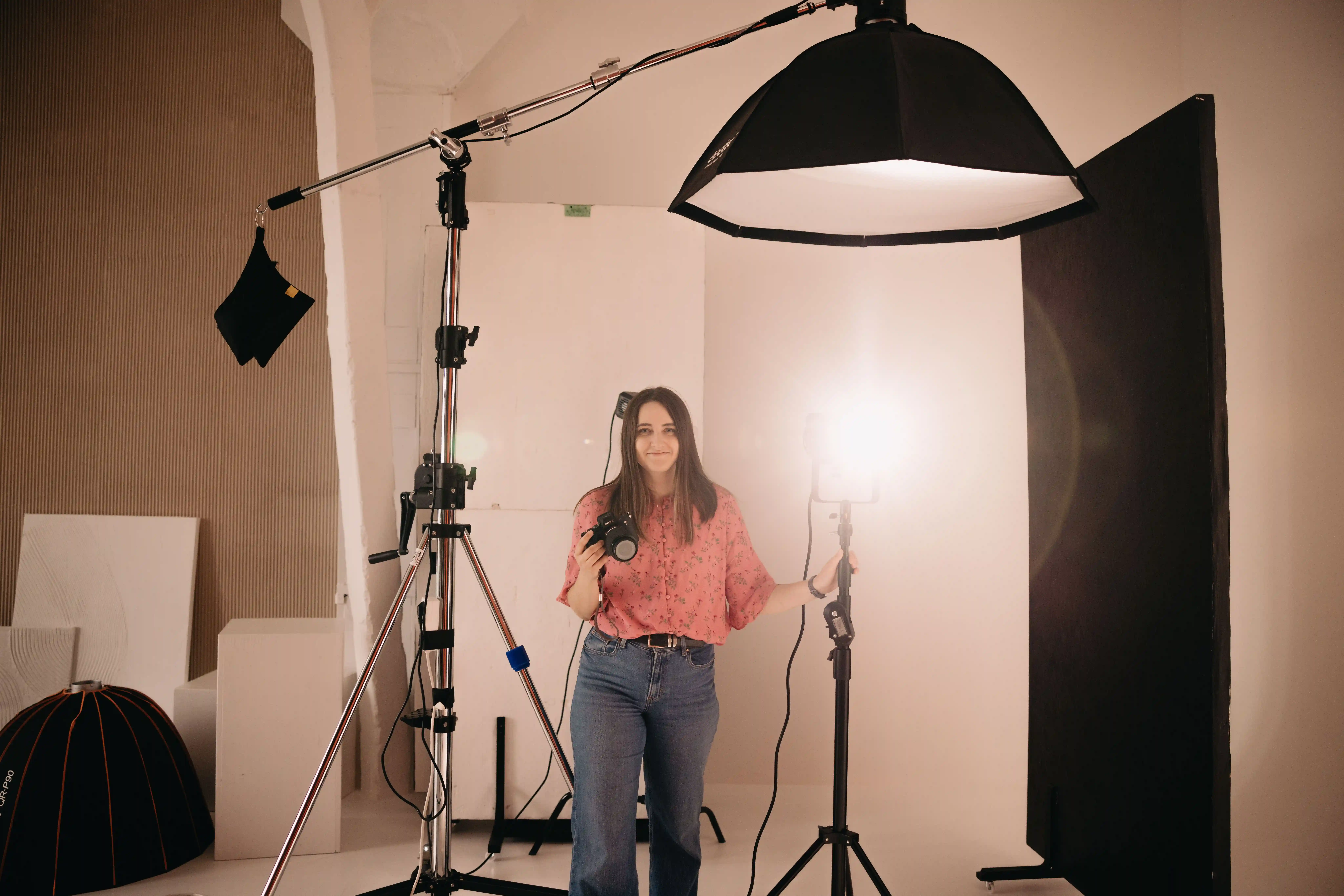
You do not need the priciest camera for product photography on the market. A mid-range DSLR or mirrorless body with a 35mm or 50mm lens handles garment work well. Many sellers ask what the best camera for product photography is for a beginner. The honest answer is your current camera. A recent smartphone with manual exposure control is often enough for the first few months.
The camera body is not what separates good shots from average ones. Three things do that work together: light, angle, and a steady base. That steady base matters more than most sellers expect.
Tripod for Product Photography and Why It Is Non-Negotiable
A tripod for product photography removes the top cause of blurry, uneven shots: hand shake. Even a small wobble at close range shows up as soft focus once a shopper zooms into fabric texture. A basic tripod at a modest price solves this fully. It also keeps your framing consistent across a whole product line, which matters when a shopper compares five listings side by side.
Pair the tripod with a simple remote shutter or your camera’s timer. That way, pressing the shutter does not add fresh shake right when the shot is taken.
Product Photography Lighting Setup for Garments

A dependable product photography lighting setup for clothing usually follows a three-point pattern. One main light sits in front, slightly to one side, to define shape and texture. One fill light or reflector sits on the opposite side to soften harsh shadows. One light from behind or above separates the garment from the background so it does not blur into the backdrop.
You can build this with two affordable softboxes and a foam board covered in foil as a homemade reflector. Sellers working from small spaces in Powai and Thane use this exact combination to shoot festive wear that looks as clean as a full commercial set.
Color accuracy needs special care here. Set your camera’s white balance to match your light source instead of leaving it on auto. Auto settings often drift, and that gives sarees, bandhani prints, and richly dyed fabrics an unnatural cast.
Saree Product Photography: A Category of Its Own
Saree product photography has its own challenges. A six-yard garment cannot simply be laid flat and shot like a shirt. Chandni Khanna guides women’s styling content at Costumepeti. She explains why draping matters as much as lighting. “A saree photographed flat tells a shopper almost nothing about how the pallu falls or how the pleats sit at the waist. We ask sellers to shoot it draped on a form or a model whenever possible. That single change tends to double the time shoppers spend on a listing.“
If a mannequin or model is not available, drape the saree over a hanger or a padded frame instead. Photograph it against a plain wall. This still shows flow and texture far better than a flat lay on a bed.
Creative Product Photography Ideas That Do Not Cost Extra

Creative product photography for rental garments does not need pricey props. A single matching accessory, a neutral wall, or a doorway with natural light can lift a listing from ordinary to memorable. Sellers around Goregaon have found that shooting the same outfit in two settings, one flat lay and one styled or worn, gives shoppers both the detail view and the aspirational view in a single listing.
Consistency across your catalog matters as much as creativity in any single shot. Buyers browsing a seller page with matching backgrounds and lighting trust that seller more than one with a mismatched gallery.
Garment Product Photography Equipment Checklist for Sellers
A practical product photography equipment list for garment sellers on a budget looks like this. A camera with manual exposure control. A tripod. Two softbox lights, or one softbox plus a reflector. A plain backdrop in white or a neutral tone. A steamer or iron to remove creases before every shoot. A simple photo editing app for consistent color and cropping.
None of these items costs a large sum on its own. Together, they form a repeatable setup that removes guesswork from every future shoot. A well-planned product photography equipment list saves both money and time, since sellers stop re-buying gear they already own in a different form.
Finding Product Photography Near Me or Building Your Own Setup
Searching product photography near me is a fair first step for a seller testing the waters. Mumbai has no shortage of small studios that will shoot a single batch of garments. But sellers who list often on Seller Costumepeti tend to find that a compact home setup pays back its cost within two or three listing cycles. Ongoing studio rental adds up fast across dozens of items.
Bringing It Together for Your Next Shoot
Garment product photography rewards preparation more than equipment spend. Steam the garment. Choose consistent lighting. Mount your camera on a tripod. Shoot from angles that show fit and fabric honestly. Whether you work from a rented photo studio for product photography or a corner of your home near BKC, the fundamentals stay the same. Shoppers reward listings that look considered rather than rushed.
Start with one improvement this week. It could be a tripod purchase, or simply moving your setup closer to a window. Then track how your listing views respond. Small, steady upgrades add up faster than most sellers expect.
FAQs
What is product photography for clothing rentals?
Product photography for clothing rentals means photographing garments so shoppers can judge fit, fabric, and color before renting. It relies on consistent lighting, angles, and backgrounds across a seller’s catalog.
What is the best camera for product photography if I am just starting out?
A mid-range DSLR, a mirrorless camera, or even a recent smartphone with manual exposure control works well for beginners. Lighting and a stable tripod matter more than the camera brand or price.
Do I need a professional photo studio for product photography?
No. A window with strong natural light, or a two-light softbox setup at home, can match a paid studio. This works well for sellers shooting a steady volume of listings.
How is saree product photography different from photographing other garments?
Saree product photography needs draping on a form, model, or hanger to show how the pallu and pleats fall. A flat lay does not show drape or texture well.
What lighting setup works best for garment photography?
A three-point lighting setup works best. It uses a main light, a fill light or reflector, and a background or rim light. Together, they give clothing depth, accurate color, and separation from the backdrop.
Leave a Reply